


|
Standardized Plant Extract - TITREX® MeadowsweetThe mother of aspirin: Natural anti-inflammatory reference |
Latin name Filipendula ulmaria (L.) Maxim. Family Rosaceae |
|
History & Botany |
The plant that inspired the world's most consumed molecule
|
Meadowsweet is a perennial herbaceous plant native to Europe and Western Asia, growing in damp areas such as riverbanks, marshy meadows, and ditches. Its upright stem can reach 1.5 meters, topped with magnificent white, fluffy inflorescences that emit a delicate almond-like fragrance. Known to the Celts, who used it in rituals, and to medieval herbalists as a honey plant and medicine, it entered the history of modern medicine in the 19th century: its salicylate compounds directly inspired the synthesis of acetylsalicylic acid by chemists Nietzki and Hoffman. The name "aspirin" itself comes from Spiraea ulmaria, the plant's former botanical name. Meadowsweet is, therefore, literally the mother of aspirin. |
Morphology Tall, elegant plant with pinnate compound leaves and serrated leaflets. Creamy white flowers in dense, fluffy corymbs, resembling a cloud or feather duster. Sweet, honeyed, and slightly vanilla-like scent, much appreciated by bees. Part used The flowering tops, harvested in July-August at full bloom, rich in salicylate glycosides. Sometimes the roots for specific uses. |
Filipendula ulmaria (L.) Maxim. Characteristic white flowering tops |
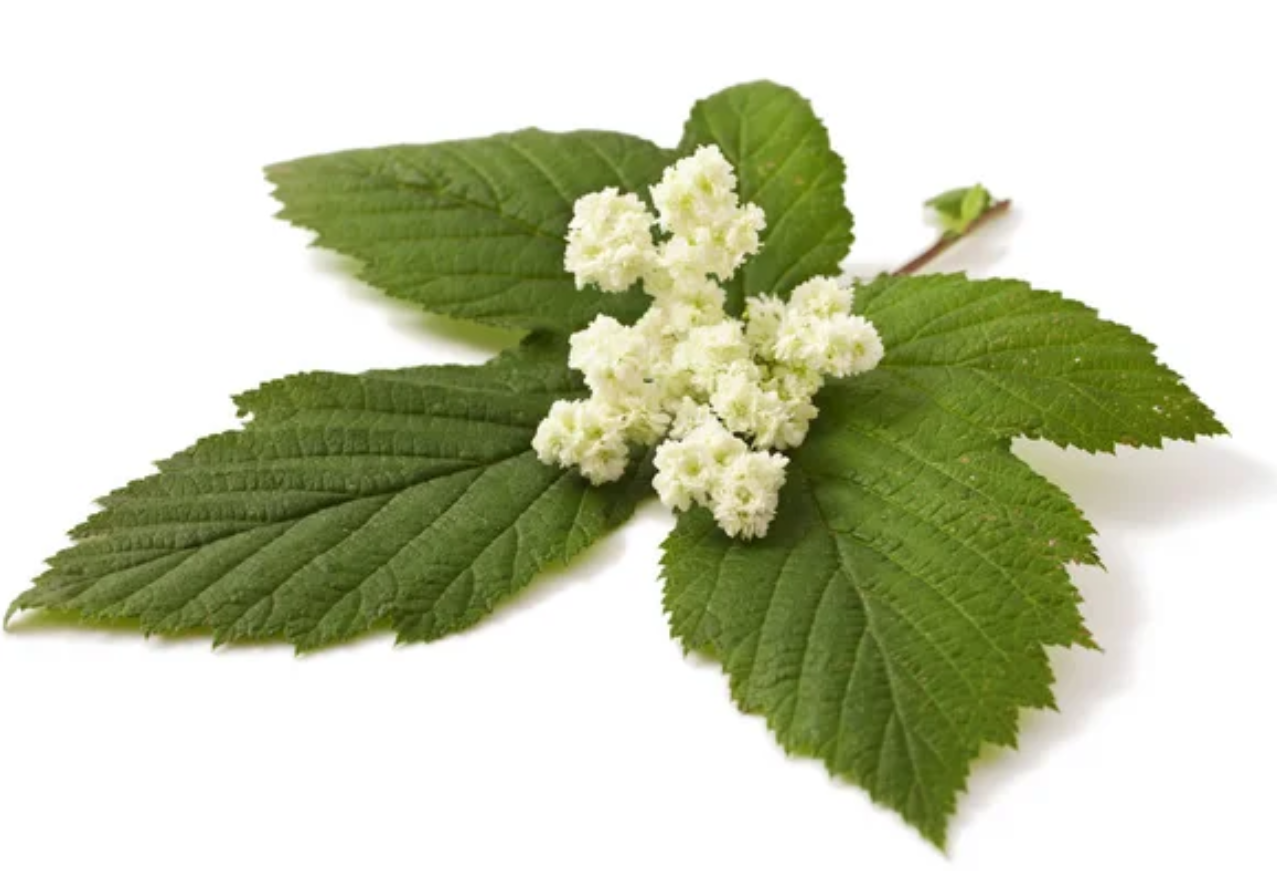
|
Organoleptic Characteristics |
What the senses reveal about the plant
|
Appearance Cream to pure white flowers in dense, light inflorescences |
Odor Sweet, honeyed, slightly vanilla and almond-like, very pleasant |
Taste Slightly astringent, subtly sweet, with vanilla notes in infusion |
Color Brown-orange extract, characteristic golden infusion |
|
Active Principles |
Chemistry in the service of efficacy
| Salicylate glycosides (spiraeoside, gaultherin) | Standardization markers. Natural precursors of salicylic acid. Anti-inflammatory, analgesic, and antipyretic properties. Better tolerated than aspirin as they are non-gastrotoxic in their natural form. |
| Flavonoids | Rutoside, hyperoside, quercetin. Powerful antioxidant activity, vascular protection, complementary anti-inflammatory action. |
| Tannins | Astringent and hemostatic properties. Protect the digestive mucosa and enhance local anti-inflammatory action. |
| Heliotropin & vanilla | Aromatic compounds responsible for the plant's characteristic fragrance. Also contains vitamin C, calcium, iron, and sulfur. |
|
Medicinal Properties & Traditional Use |
Recognized by the EMA and the European Pharmacopoeia
|
Anti-inflammatory & Analgesic Salicylate derivatives inhibit inflammation mediators. Effective for joint and muscle pain, rheumatism, and febrile conditions. Better tolerated than aspirin due to the protective gastric tannins. |
Diuretic & Detoxifying Promotes renal elimination of toxins and uric acid. Traditionally used for gout, water retention, cystitis, and rheumatic conditions linked to waste accumulation. |
Antispasmodic & Digestive Relaxes smooth digestive muscles. Relieves cramps, gastric and intestinal spasms. Traditionally validated for heartburn and difficult digestion. |
| The European Medicines Agency (EMA) recognizes the traditional use of Filipendula ulmaria flowering tops as an anti-inflammatory, diuretic, and for the treatment of urinary tract conditions. |
TITREX® products are dietary supplements and not medicines. They should not replace a healthy and balanced diet.