


|
Standardized Plant Extract - TITREX® KolaKola Nut : The Sacred Stimulant of West Africa |
Latin Name Cola nitida (Vent.) Schott & Endl. Family Malvaceae (formerly Sterculiaceae) |
|
History & Botany |
From Senegal to Coca-Cola : The Nut That Traveled the World
|
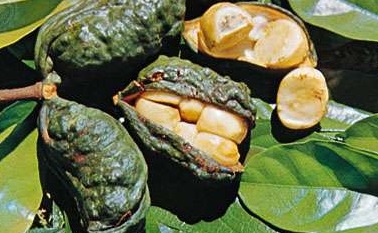
The kola tree is a large tropical tree native to the humid forests of West Africa (Liberia, Ivory Coast, Nigeria, Senegal). Reaching up to 20 meters in height, it produces woody fruits containing 2 to 6 partitioned seeds: the famous kola nuts. In West Africa and the Sahel, the entire social, religious, and diplomatic life revolved around these nuts: offered during negotiations, marriages, births and ceremonies, their symbolic value was immense. Consumed for millennia as a masticatory to combat fatigue during long walks and hunts, kola nuts made a dramatic entrance into modern history in 1886: Dr. John Pemberton incorporated them into his original formula for Coca-Cola (from which they derived the name) along with coca leaf extracts. Today, Cola nitida is primarily cultivated in Ivory Coast (the leading producer) and consumed in Mali (the leading consumer). |
Morphology Large tropical evergreen tree with oval, glossy leaves. Cream to pale pink flowers in panicles. Woody capsular fruits containing the seeds. Cola nitida is distinguished by its narrower leaves and larger flowers than Cola acuminata and its higher caffeine content (up to 3.5%). Part Used The seed (kola nut), stripped of its shell, ground after drying. It is the dried seed that is used for extraction and standardization in phytotherapy. |
|
Organoleptic Characteristics |
What the Senses Reveal About the Plant
|
Appearance Pink to red seeds, hard and crunchy, pinkish-brown powder in extract form |
Scent Mildly aromatic, slightly cocoa-like and earthy |
Taste Initially bitter and astringent, then sweet, delayed effect of tannins |
Texture Hard and dense seed when fresh; brittle after drying |
|
Active Ingredients |
Chemistry at the Service of Efficacy
| Caffeine (1.5 to 3.5%) | Main alkaloid and standardization marker. Higher caffeine content than Cola acuminata. Central nervous system stimulant, inhibits phosphodiesterase, increases cellular cAMP. Powerful physical and intellectual stimulation, reduces the perception of fatigue. |
| Theobromine & Theophylline (<1%) | Xanthines synergistic with caffeine. Theobromine prolongs and softens the stimulant effect. Mild bronchodilatory properties. Together, these xanthines produce a more sustained stimulant effect than coffee alone. |
| Tannins & Polyphenols (~4%) | Flavanols (catechin, epicatechin), anthocyanins, tannins. Tannins delay the release of caffeine, prolonging its action. Antioxidant and astringent properties. Red nuts are richer in phenols than pink or white ones. |
| Kolatin & Carbohydrates | Kolatin (minor xanthine). Carbohydrates provide a characteristic delayed sweet flavor during chewin, unique among caffeine-containing plants. |
|
Medicinal Properties & Traditional Use |
Reference Natural Stimulant : Unique Prolonged Effect
|
Physical & Intellectual Stimulant The synergy of caffeine-theobromine-tannins produces a prolonged and gradual stimulant effect. Improves alertness, concentration, and cognitive performance. Reduces physical fatigue. More durable and gradual effect than pure coffee. |
Digestive & Diuretic Tonic Stimulates gastric secretions and promotes digestion. Mild diuretic properties contributing to renal elimination. Traditional use validated for reducing the sensation of hunger during fasting and long walks. |
Cardiovascular Tonic Mild cardiotonic and peripheral vasodilatory action. Improves alertness and performance in situations of stress or effort. Synergistic with other natural stimulants (guarana, mate) for enhanced action. |
TITREX® are dietary supplements and not medicines. They should not replace a healthy and balanced diet. Not recommended in cases of hypertension, heart disorders, or pregnancy. Do not combine with other stimulants without medical advice.