


|
Essential Oil - Aromatherapy Mountain SavoryThe satyr's herb: Reference phenolic anti-infective |
Latin name Satureja montana L. Family Lamiaceae |
|
History & Botany |
From the Mediterranean garrigue to the forbidden gardens of monasteries
|
Mountain savory is a perennial sub-shrub native to the Mediterranean basin and the Near East, growing wild on calcareous and rocky soils of the garrigue under intense sunlight. Its Latin name, Satureja, comes from "satyr": in ancient Greece, it was dedicated to Dionysus and reputed for its aphrodisiac virtues, a reputation so sultry that it was banned from monastery gardens in the Middle Ages. Introduced to Central Europe around the 9th century, used in cooking since antiquity (Germans traditionally add it to sauerkraut), it served as a pepper substitute during World War II. Its essential oil, distilled from the flowering tops, is now one of the most powerful and studied in aromatherapy, alongside thyme with thymol, for its very broad-spectrum anti-infective properties. |
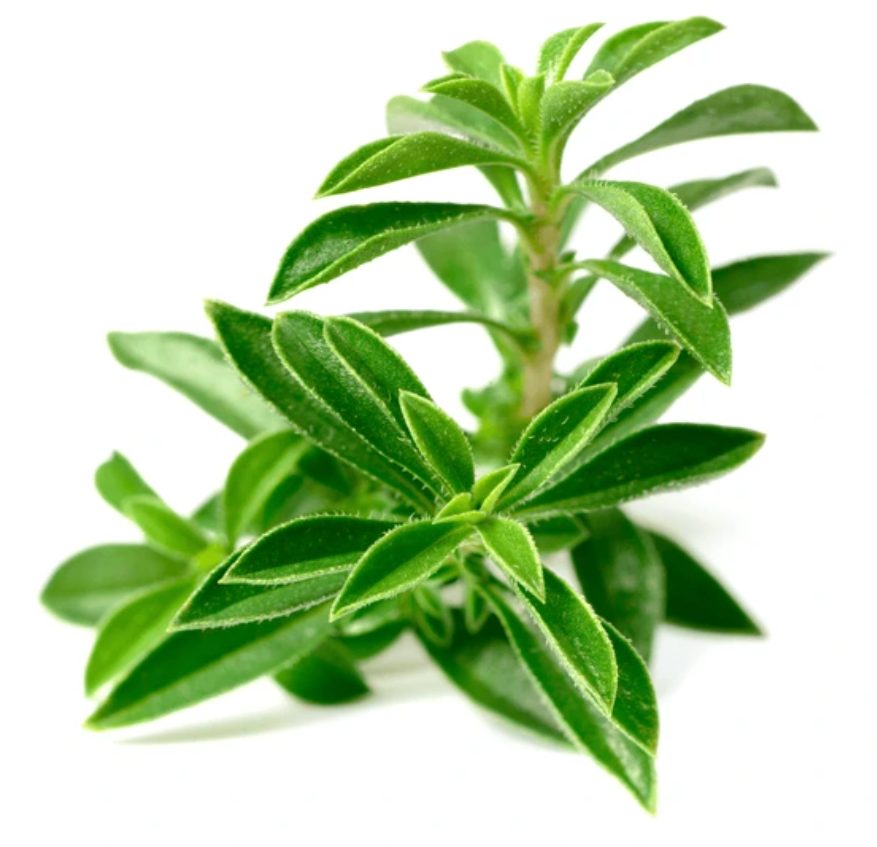
Morphology Sub-shrub, 20 to 50 cm tall, with woody stems at the base, upright and branched. Small, narrow, leathery, dark green glossy leaves with slightly revolute edges. White to pale pink flowers from July to September. Characteristic pungent and peppery odor, similar to thyme and oregano. Distilled part & origin The flowering tops, harvested at full bloom, steam-distilled. Yield: about 0.25% (250 g of EO for 100 kg of plant). Mainly cultivated and distilled in Spain, France (Provence), and Italy. |
Satureja montana L. Sub-shrub of the Mediterranean garrigue with very aromatic leathery leaves and white-pink flowers |
|
Organoleptic Characteristics |
What the senses reveal about the essential oil
|
Appearance Mobile liquid, pale yellow to golden brown depending on the harvest and quality. End-of-season EOs are darker and richer in carvacrol. |
Odor Powerful, rustic, spicy, and peppery, similar to thyme and oregano but more rustic and raw. Warm and enveloping persistent note, very characteristic of the Mediterranean garrigue. |
Taste Very pungent, burning, and phenolic when pure: immediate irritation of the mucous membranes. Never test undiluted. Always dilute in a vegetable oil or suitable galenic preparation. |
Density Density: 0.905 to 0.935 g/cm³. Dense EO with very high phenol content. Dermocaustic when pure: never use undiluted. Refractive index: 1.488-1.503. |
|
Active Principles & Biochemistry |
Dominated by monoterpene phenols: The most anti-infective molecules in aromatherapy
| Carvacrol (40 to 60%) | Major phenol and absolute quality marker. One of the most powerful natural antibacterial agents known. Active against a very broad spectrum of resistant bacteria (E. coli, Staphylococcus aureus, Pseudomonas, Candida albicans, Helicobacter pylori). Reduces the formation of bacterial biofilms that antibiotics alone cannot destroy. Inhibits efflux pumps responsible for bacterial resistance. |
| Thymol (up to 20%) | Complementary phenol, acts in synergy with carvacrol through a different mechanism of action on the bacterial membrane. The synergy of the two phenols is significantly greater than each taken separately. Antibacterial, antiviral, antifungal, and immunostimulant properties. Reduces antibiotic resistance in combination with conventional antibiotics. |
| Paracymene & γ-terpinene | Monoterpenes with cutaneous analgesic properties (inhibition of pain mediators), mucolytic, and bronchodilator effects. Paracymene is the biosynthetic precursor of carvacrol and amplifies its intrabacterial penetration. γ-Terpinene provides marked antioxidant action. |
| Carvacrol methyl ether & β-pinene | Methyl ether phenols that reduce dermocausticity and improve skin tolerance. β-Pinene provides additional anti-inflammatory and bronchodilator action. β-Caryophyllene (sesquiterpene), although minor, contributes to the anti-inflammatory component via CB2 receptors. |
|
Medicinal Properties & Traditional Use |
The "natural fire" of aromatherapy: To be used with precision and expertise
|
Major Broad-Spectrum Anti-Infective Powerful antibacterial, antiviral, antifungal, and antiparasitic agent. Treats resistant infections: bacterial sore throats, cystitis, intestinal infections (traveler's diarrhea, gastroenteritis caused by Helicobacter), skin mycoses, boils. Active against multi-drug-resistant bacteria (MRSA, ESBL) and biofilms that antibiotics cannot destroy. |
General Tonic & Immunostimulant Energetically stimulates the immune and nervous systems. Increases the production of lymphocytes and macrophages. Recommended for great physical or mental fatigue, post-illness, flu-like conditions, and prolonged convalescence. Traditionally recognized aphrodisiac properties (libido stimulation). |
Digestive Tonic & Antiparasitic Stimulates digestive secretions, relieves bloating, flatulence, and intestinal spasms. Powerful intestinal antiparasitic: active against protozoa, amoebae, and intestinal worms. Traditional use validated for tropical digestive infections and chronic parasitosis. |
Antibiotic Synergy & Biofilms Carvacrol inhibits bacterial efflux pumps responsible for antibiotic resistance, restoring the sensitivity of resistant strains to antibiotics. The destruction of biofilms allows the antibiotic to reach its target. Several clinical studies document this remarkable synergy with β-lactams and fluoroquinolones. |
| Usage note: Dermocaustic EO, never use undiluted. Always dilute to a maximum of 5-10% in a vegetable oil for cutaneous use. Not recommended for atmospheric diffusion (strong irritation of respiratory mucous membranes). Internal use only under medical advice, reserved for adults, short courses (7 to 14 days maximum). Always combine with a hepatoprotective EO (lemon, rosemary with verbenone) for internal use. Contraindicated in cases of liver disorders, pregnancy, breastfeeding, and children under 12 years old. |
| The carvacrol in mountain savory, by simultaneously inhibiting bacterial efflux pumps and destroying biofilms, represents one of the most promising strategies for bypassing antibiotic resistance mechanisms, a path that global pharmaceutical research is actively exploring. |
Essential oils are concentrated products. Consult a healthcare professional before use, especially in cases of pregnancy, breastfeeding, children, or chronic conditions.