


|
Standardized Plant Extract - TITREX® BoldoThe Chilean tree: Cholagogue and hepatoprotective from the Andes |
Latin name Peumus boldus Molina Family Monimiaceae |
|
History & Botany |
12,000 years of Andean use: Discovered thanks to a flock of sheep
|
Boldo is a small evergreen tree endemic to the arid and rocky slopes of the Chilean and Peruvian Andes. Archaeological findings attest to medicinal use dating back more than 12,000 years by the indigenous Andean peoples, who consumed it as an infusion to treat liver, digestive, and biliary disorders. The founding anecdote of its scientific discovery is fascinating: a flock of sheep weakened by liver problems reportedly ate a freshly built fence made of boldo branches and quickly recovered their health. This event prompted researchers to study the plant, leading to the isolation of boldine in the second half of the 19th century. Boldo was introduced to Europe around 1870 by pharmacists Bourgoin and Verne. Rapidly integrated into the German, French, Spanish, and Swiss pharmacopoeias, it is now recognized by the Commission E and the European Pharmacopoeia. Acclimatized in southern France and the Mediterranean region, it grows there in a naturalized state. |
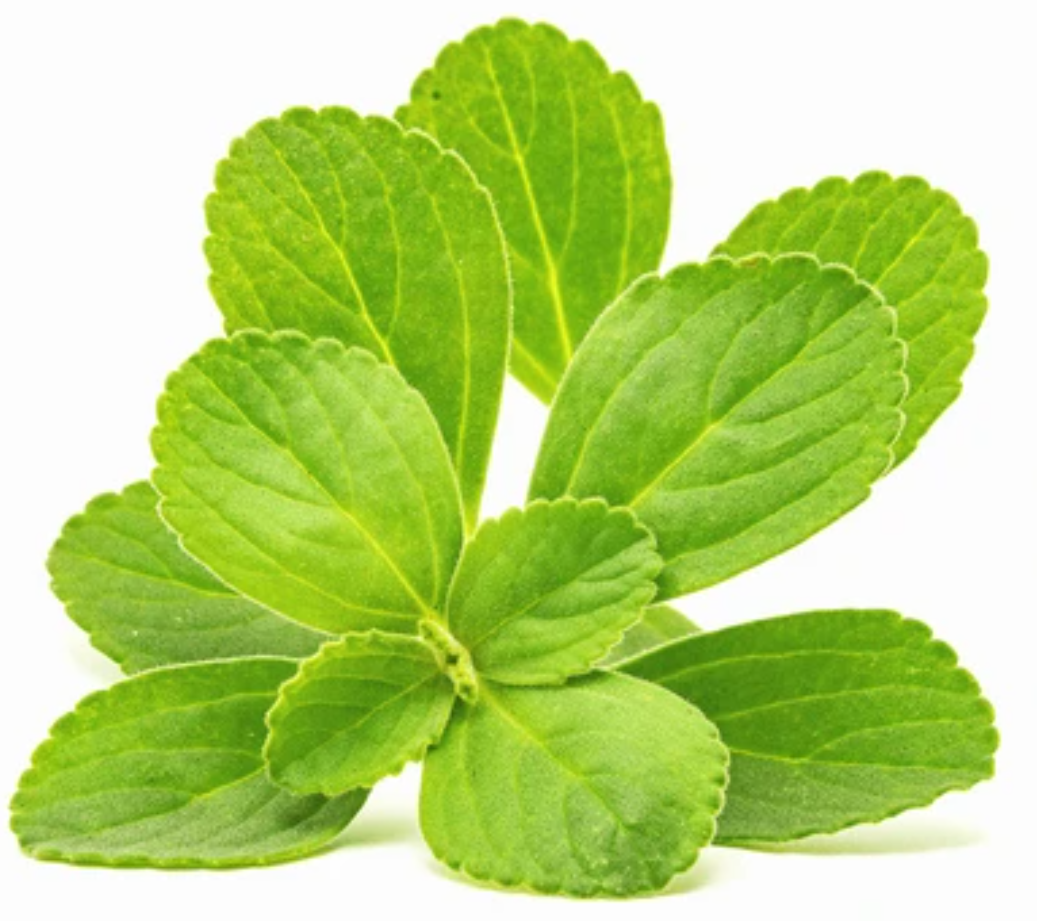
Morphology Small evergreen tree, 3 to 6 meters tall, with a very bushy habit. Small, round, leathery leaves, rough like a cat's tongue, covered with small essential oil vesicles visible against the light. White flowers in clusters, slightly fragrant. When the leaves are crushed, they release a pleasant aromatic odor reminiscent of mint and lemon balm. Part used & extraction The dried leaves (Peumus boldus Molina, folium), harvested in summer at maximum boldine concentration, dried in the shade, and extracted via hydro-alcoholic extraction. Short courses recommended (< 4 weeks) due to the ascaridole content in the essential oil. Main producers: Chile, Peru, Argentina. |
Peumus boldus Molina Rough, leathery leaves and white flowers of the Andean endemic tree |
|
Organoleptic Characteristics |
What the senses reveal about the plant
|
Appearance Leaves are green, small, and round, rough to the touch — a unique characteristic texture. Dry extract powder is brown-green to ochre-brown, fine. |
Odor Aromatic and fresh, reminiscent of mint and lemon balm, with a slightly camphorated note. Very pleasant and recognizable. The leaf vesicles release the essential oil when crushed. |
Taste Bitter, slightly camphorated, and pungent, aromatic and persistent. The bitterness, due to boldine, is a direct marker of the richness in active principles of the extract. |
Infusion Liquid is light yellow-green, with a characteristic aromatic fragrance, slightly cloudy. Pleasant bitter and camphorated taste. Often combined with mint or dandelion in digestive herbal teas. |
|
Active Principles & Biochemistry |
Boldine: Unique aporphine alkaloid, powerful antioxidant, and hepatobiliary regulator
| Boldine (signature alkaloid) | Major active principle and quality marker. Aporphine alkaloid with powerful cholagogue and choleretic properties. Simultaneously stimulates the production and evacuation of bile, a unique dual action in the plant kingdom. Major antioxidant (inhibition of mitochondrial lipoperoxidation). Anti-inflammatory, antidiabetic, and neuroprotective properties studied internationally. |
| Essential oil (ascaridole ~40%) | Responsible for the characteristic camphor-mint aroma of boldo. Antiparasitic and antiseptic properties of ascaridole. Caution: Ascaridole can be toxic at high doses or with prolonged use (potential hepatotoxicity and neurotoxicity), hence the limit of courses to a maximum of 4 weeks. Selective extracts with boldine and reduced essential oil content are preferred for prolonged therapeutic use. |
| Flavonoids (flavanol glycosides) | Complementary antioxidants to boldine, synergistic in hepatic protection. Anti-inflammatory properties (COX-2 inhibition) and vasculoprotective effects. Contribute to the overall choleretic action. Strengthen the resistance of the hepatocyte membrane to oxidative aggression. |
| Boldoglucine & minor alkaloids | Complementary spasmolytic glycoside. All the alkaloids of boldo (isocorydine, laurotetanine, reticuline, norisocorydine, etc.) act synergistically for intestinal spasmolytic action and mild sedative effects. This alkaloid synergy is one of the keys to the overall efficacy of the total boldo extract. |
|
Medicinal Properties & Traditional Use |
Recognized by Commission E, ESCOP, and the European Pharmacopoeia
|
Cholagogue & Choleretic Unique dual biliary action: stimulates the production of bile by the liver (choleretic) AND promotes its evacuation into the intestine (cholagogue). Balancing action of all hepatobiliary functions. Sovereign for digestive sluggishness, postprandial heaviness, and small gallstones. |
Hepatoprotective & Antioxidant Boldine protects hepatic mitochondria from oxidative stress and membrane lipoperoxidation. Anti-tumor promoter effects, anti-atherogenic, and neuroprotective effects studied in numerous models. Supports the liver during exposure to dietary toxins, alcohol, or aggressive drug treatments. |
Digestive & Diuretic Stimulates gastric secretions and improves overall digestive comfort. Mild diuretic promoting renal elimination of urea, useful for mild cystitis and minor urinary tract infections. Recognized intestinal spasmolytic, relieving bloating and nerve-related spasms. |
Neuroprotective & Antidiabetic Boldine is emerging as a molecule of interest in neurology: protective of neurons against oxidative stress, it shows neuroprotective effects in in vitro models of Parkinson's and Alzheimer's diseases. Documented antidiabetic properties (improved insulin sensitivity and reduced fasting glycemia in preclinical studies). |
| Precautions: Courses limited to a maximum of 4 weeks due to ascaridole in the essential oil (potential hepatotoxicity and neurotoxicity at high doses or prolonged use). Contraindicated in cases of biliary tract obstruction, complex gallstones, severe functional bowel disorders, and pregnancy. Not recommended for individuals with a history of severe liver conditions. Selective extracts with standardized boldine and reduced essential oil content are preferred for repeated courses. |
| Boldo is the only official medicinal plant that combines a simultaneous dual hepatobiliary action (both choleretic and cholagogue) with an antioxidant profile (boldine) ranked among the most powerful in the plant kingdom, with continuous indigenous use for over 12,000 years without interruption. |
TITREX® products are dietary supplements and not medicines. They should not replace a healthy and balanced diet.