


|
Standardized Plant Extract - TITREX® Corn PoppyRed Poppy: Gentle sedative, ally of sleep and children |
Latin name Papaver rhoeas L. Family Papaveraceae |
|
History & Botany |
From Egyptian tombs to the fields of Flanders: A universal symbol of gentleness, memory, and peace
|
Corn poppy is one of the oldest medicinal plants in Europe, known since ancient Egypt: the Egyptians scattered its petals over tombs to soothe the sleep of the deceased. The Greeks and Romans used it as a sedative, and Hypnos, the god of sleep, was depicted with poppies. Its Latin name, Papaver, comes from the Celtic papa (porridge): its seeds were mixed into infants' porridge to aid sleep. A cousin of the opium poppy (Papaver somniferum), from which opium is extracted, the corn poppy is infinitely less concentrated in alkaloids: its sedative effect is gentle, gradual, and non-addictive. It gained symbolic notoriety during World War I, as its blood-red flowers grew on the battlefields of Flanders. It has since become a symbol of memory and peace in Anglo-Saxon countries and is also an emblem of the anti-pesticide movement in France since 2019, as its wild populations have dramatically declined due to intensive agriculture. |
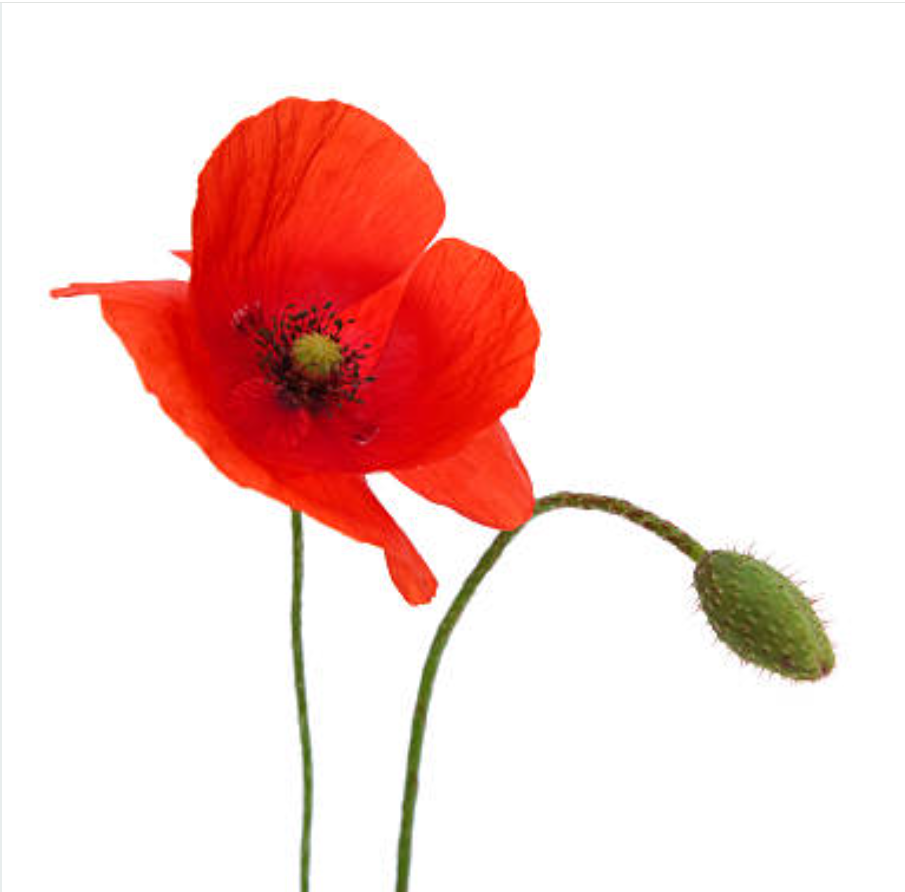
Morphology Annual plant, 40 to 80 cm tall, with hairy stems, pinnate, divided, and toothed leaves. Spectacular flowers with 4 scarlet red petals, each with a black spot at the base, borne on long peduncles. Erect oval capsule after flowering. A characteristic messicolous plant of cereal crops and sunny fallow lands. Parts used & extraction The dried petals (rich in anthocyanins and alkaloids), harvested as soon as they open and quickly dried in the shade. The capsules (higher alkaloid content) for specific uses. Mainly harvested in France, Spain, and Eastern Europe. |
Papaver rhoeas L. Characteristic scarlet red petals with a black basal spot |
|
Active Principles & Biochemistry |
Rhoeadine, anthocyanins, and mucilages: A gentle triad for sleep and serenity, without risk of dependence
| Rhoeadine & isoquinoline alkaloids (~0.1%) | Signature sedative alkaloids. Rhoeadine (about 50% of total alkaloids), isorhoeadine, rhoeamerine, protopine, and papaverine modulate GABA-A receptors in the CNS, inducing gentle sedation and anxiolysis. Alkaloid concentration is 100 to 300 times lower than in the opium poppy: sedative effect without dependence or habituation. |
| Anthocyanins & flavonoids | Anthocyanin glycosides (including cyanidin-3-glucoside) responsible for the intense red color of the petals and infusion. Powerful antioxidant and vascular protective properties. Contribute to anti-inflammatory, antispasmodic effects, and the characteristic deep red-burgundy color of extracts. |
| Mucilages | Emollient and soothing polysaccharides for mucous membranes. Calm irritated respiratory tract, facilitate expectoration. Documented antitussive and bronchoprotective properties. Explain traditional use in syrups and teas for dry and irritative coughs. |
| Meconic acid & tannins | Organic acid contributing to sedative properties through synergy with alkaloids. Astringent tannins protect digestive and respiratory mucous membranes. Essential fatty acids rich in seeds (traditional food use). |
|
Organoleptic Properties |
Sensory characteristics of dried petals and extract : identification and quality benchmarks
|
Appearance Dried petal Petals are scarlet red to deep red-violet, very thin, fragile, and delicate. Powder: burgundy red to red-brown, highly coloring, characteristic of anthocyanins. |
Color Infusion / extract Infusion: bright pink-red to burgundy red, translucent and highly colored. Liquid extract: deep burgundy red. One of the most colorful infusions in the plant kingdom. |
Odor Dried petal & infusion Very light and gentle, slightly herbal and floral, without strong or unpleasant aroma. One of the most subtle odors among medicinal plants — characteristic of its therapeutic gentleness. |
Taste Infusion / extract Slightly astringent, honey-sweet in infusion, pleasant and without marked bitterness. Slightly sweet and floral note. Very well-accepted taste, especially by children in syrup form. |
Solubility Dry extract Fine powder, very good solubility in hot water and hydroalcoholic solutions. Anthocyanins are highly water-soluble and highly coloring. Slightly hygroscopic. |
|
Medicinal Properties & Traditional Use |
The gentleness of the fields at the service of sleep : well tolerated from early childhood, non-addictive
|
Gentle Sedative & Sleep Aid Rhoeadine modulates GABA-A receptors: facilitates falling asleep, reduces nighttime restlessness, and improves sleep quality. Gentle sedative without dependence or hangover effect. Well tolerated from the age of 2. Ideal for overexcited or anxious children at bedtime. |
Anxiolytic & Calming Mild calming action on the CNS. Reduces anxiety, nervous tension, and irritability. A gentle natural alternative for periods of mild stress, emotional agitation, or reactive sleep disorders in both children and adults. |
Antitussive & Respiratory Mucilages soothe irritated bronchial mucous membranes and the throat. Antitussive and expectorant properties for dry and irritative coughs. Traditionally combined with thyme, mallow, and violet in throat syrups and teas for children. |
| Usage note: Extract is well tolerated at recommended doses, without dependence or habituation, unlike its cousin, the opium poppy. Suitable for children from the age of 2 (syrup) and the elderly. Not recommended during pregnancy and breastfeeding as a precaution. Do not confuse with Papaver somniferum (opium poppy, regulated use). Classically combined with valerian, passionflower, and California poppy in adult sleep formulas. |
| Corn poppy is the only plant in the Papaveraceae family used in phytotherapy without any regulatory restrictions: its concentration of sedative alkaloids is 100 to 300 times lower than that of the opium poppy, giving it an exceptional safety profile while retaining real sedative properties that are well tolerated from early childhood. |
TITREX® products are dietary supplements and not medicines. They should not replace a healthy and balanced diet.